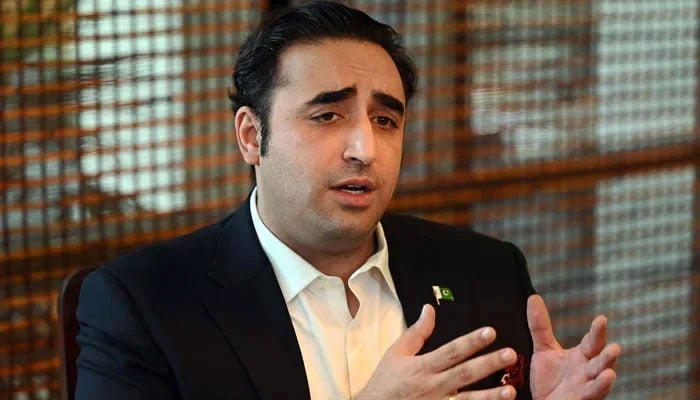
In a noteworthy political development, Bilawal Bhutto Zardari, the Chairman of the Pakistan Peoples Party (PPP), has officially endorsed Mansoor Ali Shah as the next Chief Justice of Pakistan. This endorsement, announced during a press conference in Karachi, comes at a time when the country is grappling with significant judicial and political challenges.
Bhutto emphasized the importance of appointing a chief justice with a strong track record in upholding the law and ensuring justice for all citizens. “Mansoor Ali Shah represents the values of integrity and professionalism that our judiciary desperately needs,” Bhutto stated. He expressed confidence that Shah’s leadership would help restore public trust in the judicial system, which has faced scrutiny over issues of politicization and inefficiency.
Currently serving as the Chief Justice of the Lahore High Court, Mansoor Ali Shah has been recognized for his progressive decisions and commitment to human rights. His approach to judicial reforms and emphasis on access to justice have made him a prominent figure in legal circles. Supporters believe that his appointment could signify a renewed focus on impartiality within the judiciary.
Political analysts suggest that Bhutto’s backing of Shah could pave the way for a broader consensus among political parties regarding judicial reform. “This endorsement reflects a growing acknowledgment that a strong, independent judiciary is crucial for the health of Pakistan’s democracy,” said Dr. Ayesha Khan, a political science expert at the University of Karachi.
Reactions to the endorsement have been mixed. While many within the PPP and legal community view it as a positive step, some critics argue that political endorsements may compromise judicial independence. “It’s essential for any chief justice to operate free from political influence, and we must be cautious about how such endorsements are perceived,” noted political commentator Sami Ullah.
As the nation anticipates potential shifts in the judicial landscape, the focus remains on whether Mansoor Ali Shah can rise to the occasion and lead the judiciary toward a more equitable and just future. With calls for reform echoing across the country, his candidacy may hold the key to addressing long-standing grievances regarding judicial integrity and effectiveness.
In a move that signals a renewed focus on strengthening bilateral ties, Pakistani Prime Minister Shahbaz Sharif will embark on a high-profile visit to the United States this week. The trip, commencing Monday, is anticipated to be a pivotal moment in U.S.-Pakistan relations, with significant diplomatic and economic implications.
Sharif’s agenda for the visit is packed with key engagements, including meetings with President Joe Biden, Secretary of State Antony Blinken, and other senior U.S. officials. The discussions are expected to cover a wide range of topics including economic cooperation, security collaboration, and regional stability.
One of the primary goals of Sharif’s visit is to bolster economic relations between the two countries. Pakistan is seeking increased U.S. investment and trade opportunities, particularly in sectors like technology and energy. Additionally, Sharif aims to address global and regional security concerns, with a focus on counterterrorism and Afghanistan’s stability.
Climate change and sustainable development are also high on the agenda, reflecting a mutual interest in addressing global environmental challenges. Sharif is expected to discuss Pakistan’s efforts to combat climate change and explore avenues for collaboration with the U.S. on renewable energy projects.
Political analysts view this visit as a critical opportunity for Sharif to reaffirm Pakistan’s strategic importance to the United States while seeking to enhance his country’s global standing. The discussions are poised to be a balancing act, addressing both countries’ strategic interests and long-term goals.
The visit will also feature public and private engagements, offering a platform for Sharif to articulate Pakistan’s priorities on a global stage. The outcomes of these meetings could significantly influence future diplomatic and economic interactions between the two nations.
As the week progresses, the international community will be closely watching the developments of this visit, with particular interest in the implications for U.S.-Pakistan relations and the broader geopolitical landscape.
In a pivotal move that underscores the gravity of ongoing political negotiations, Prime Minister Shehbaz Sharif is set to host a high-profile dinner for coalition partners this evening. The gathering comes at a critical juncture as discussions intensify over proposed constitutional amendments that could reshape the country’s political landscape.
The dinner, scheduled to take place at the Prime Minister’s official residence, is anticipated to serve as a strategic forum for coalition leaders to align their positions and strategize on the upcoming legislative changes. The proposed amendments, which have been the subject of extensive debate and negotiation, aim to address key issues within the constitution and could potentially influence the balance of power among Pakistan’s political institutions.
Sources close to the Prime Minister’s office suggest that the event will focus on fostering unity and securing consensus among the diverse coalition partners. The dinner is seen as a crucial step in ensuring a unified front as the amendments progress through the legislative process.
Political analysts view this move as a calculated effort by Sharif to strengthen his coalition’s stance and ensure the smooth passage of the proposed changes. With various parties holding different perspectives on the amendments, the dinner represents a critical opportunity for negotiation and compromise.
The outcome of these discussions could have significant implications for Pakistan’s governance and political stability. As the evening unfolds, all eyes will be on the coalition’s ability to navigate these complex issues and the potential impact on the broader political landscape.
In a dramatic twist to Pakistan’s economic narrative, Punjab Chief Minister Maryam Nawaz has asserted that the latest agreement with the International Monetary Fund (IMF) will be the country’s “final programme” under the global financial institution. This bold statement, made during a recent press conference, underscores the high-stakes environment surrounding Pakistan’s economic future.
Maryam Nawaz, a prominent figure in Pakistani politics and a key member of the ruling party, expressed confidence that the new IMF deal represents a turning point. “This is not just another agreement; it is the last programme that Pakistan will need to adhere to under the IMF’s watchful eye,” she proclaimed. Her comments come amid ongoing debates about Pakistan’s economic strategy and its relationship with international financial institutions.
The IMF deal, finalized earlier this week, is designed to stabilize Pakistan’s faltering economy, which has been grappling with inflation, debt, and a challenging fiscal environment. The agreement includes a series of fiscal reforms and economic adjustments aimed at restoring financial stability and encouraging sustainable growth.
Maryam Nawaz’s statement reflects a broader political and public sentiment that is growing weary of repeated IMF interventions. There is a palpable frustration among many Pakistanis who view these programmes as temporary fixes that do not address the root causes of economic instability.
Critics argue that while the IMF deals provide necessary short-term relief, they often come with stringent conditions that can exacerbate social and economic hardships. Supporters, however, see these programmes as crucial for securing external funding and rebuilding investor confidence.
The Punjab Chief Minister’s remarks are likely to spark further debate among policymakers, economists, and the public. Some will interpret her words as a signal of the government’s determination to implement the necessary reforms and achieve long-term stability. Others might view it as an optimistic proclamation that could be tested by future economic challenges.
As Pakistan navigates this critical juncture, the effectiveness of the latest IMF deal will undoubtedly be scrutinized. For now, Maryam Nawaz’s statement has added a new layer of drama to the ongoing narrative of Pakistan’s economic journey, leaving many to wonder if this truly will be the country’s final IMF programme or merely another chapter in a prolonged saga.
Apple has just introduced an exciting update for iPhone 16 series users with the release of iOS 18.1 Beta, featuring an advanced iteration of its Apple Intelligence technology. This latest beta version, now available for early adopters, promises to enhance the user experience with cutting-edge improvements in artificial intelligence and machine learning.
One of the standout features of iOS 18.1 Beta is its refined Apple Intelligence system, which is designed to offer more personalized and intuitive interactions. Leveraging the power of Apple’s advanced neural engine, the new update aims to provide smarter suggestions, more accurate predictive text, and enhanced image recognition capabilities. This move marks a significant step forward in Apple’s commitment to integrating AI seamlessly into its ecosystem.
Users of the iPhone 16 series can now experience a range of new functionalities that harness the power of this upgraded intelligence system. For instance, the improved AI algorithms are expected to deliver better contextual assistance in Siri, more relevant app recommendations, and advanced photo organization features that make it easier to sort and search through your media library.
The beta release also includes several performance enhancements and bug fixes, aimed at optimizing the overall stability and responsiveness of the iOS platform. While the update is currently available to developers and beta testers, it is anticipated that the final version will be rolled out to the broader public in the coming months.
Apple has encouraged users to provide feedback on their experiences with the iOS 18.1 Beta, as this input is crucial for refining the final release. The company’s focus on user-driven improvements underscores its dedication to creating a more intuitive and efficient operating system.
As always, those interested in exploring the beta version are advised to proceed with caution, as beta software can contain unresolved issues that may affect device performance. Apple recommends backing up all data before installing the beta and using the update primarily for testing purposes.
This launch signifies Apple’s ongoing efforts to push the boundaries of smartphone technology, reinforcing its position at the forefront of innovation in the tech industry. With iOS 18.1 Beta, iPhone 16 users are among the first to experience the next generation of Apple’s intelligent features, setting the stage for even more advancements in the near future.
In a fresh update to the world of wearable technology, renowned analyst Ming-Chi Kuo has forecasted a major leap in Apple’s smartwatch lineup for 2025. According to Kuo, Apple is set to release updated versions of both the Apple Watch Ultra and Apple Watch SE, promising a host of new features and enhancements that could significantly alter the wearable landscape.
The Apple Watch Ultra 3 is expected to push the boundaries of what a smartwatch can do, integrating advanced health monitoring capabilities and a more robust design tailored for extreme conditions. Early speculations suggest that the Ultra 3 will feature upgraded sensors for more precise health tracking, including potential improvements to heart rate monitoring and blood oxygen levels. Additionally, a new design overhaul could introduce a larger, more durable display, catering to adventurers and athletes who rely on their watches in demanding environments.
On the other hand, the Apple Watch SE update will likely focus on providing a more affordable yet feature-rich alternative. Kuo hints at performance enhancements that could include a faster processor and better battery life, alongside new health and fitness features that bridge the gap between basic models and the high-end Ultra series. This update aims to deliver a compelling option for users who want essential smartwatch functionalities without breaking the bank.
Both updates are anticipated to align with Apple’s ongoing commitment to innovation and user-centric design. As the 2025 release date approaches, Apple enthusiasts and tech experts alike will be keenly watching for official announcements and detailed specifications.
With the Apple Watch Ultra 3 and SE updates, Apple is set to reinforce its dominance in the wearable tech market, promising advancements that cater to both high-end users and those seeking value without compromise. Stay tuned for more updates as we approach the anticipated release.
The Grand Canyon, a natural wonder renowned for its breathtaking vistas and rugged terrain, has once again been the site of a tragic event. This past week, the National Park Service (NPS) reported the discovery of a body at the iconic landmark, marking the 15th fatality at the Grand Canyon in 2024. This somber milestone underscores the inherent dangers of the vast and often unpredictable landscape.
The identity of the deceased has not been released, but the circumstances surrounding the death are under investigation. The Grand Canyon, with its steep cliffs, extreme weather conditions, and vast distances, presents significant challenges even for the most experienced hikers and visitors. The park has seen a variety of incidents this year, ranging from falls and heat-related illnesses to accidents involving strenuous activities.
The NPS is continuing its efforts to enhance safety measures and public awareness. Park rangers frequently emphasize the importance of preparation, including carrying adequate water, wearing appropriate clothing, and understanding the terrain. Despite these warnings, the sheer scale and rugged nature of the canyon can pose severe risks.
In response to this year’s tragic tally, the NPS is intensifying its focus on educational outreach. This includes increased signage, more comprehensive safety briefings, and improved trail markers to guide visitors through safer routes. The park service is also working on updating emergency response protocols to ensure faster and more effective assistance in case of emergencies.
This latest incident serves as a somber reminder of the Grand Canyon’s awe-inspiring yet perilous beauty. The NPS urges all visitors to respect the environment and prioritize their safety to prevent further tragedies. As the year progresses, the hope is that these preventive measures will help reduce the number of fatalities and ensure that visitors can enjoy the grandeur of the Grand Canyon with greater safety and awareness.
Fifty years ago, a seismic legal and political event took place that would forever alter the course of American history: Richard Nixon’s pardon. As Gerald Ford’s controversial decision to grant Nixon a blanket pardon for any crimes committed during his presidency reverberated through the corridors of power, it set a precedent that would resonate deeply in the political landscape. Fast forward to today, and it’s clear that Nixon’s pardon has cast a long shadow over Donald Trump’s current legal challenges. Understanding how this historic pardon is influencing Trump’s legal fight requires delving into both the specifics of Nixon’s pardon and its implications for contemporary politics.
The Nixon Pardon: A Historical Overview
On September 8, 1974, President Gerald Ford issued a pardon to Richard Nixon, who had resigned from the presidency amid the Watergate scandal. Ford’s decision to pardon Nixon was both unprecedented and deeply controversial. The pardon effectively wiped the slate clean for Nixon, shielding him from prosecution for any crimes he might have committed while in office. Ford justified the pardon on the grounds that it was in the best interest of the country, aiming to heal the divisions created by the Watergate scandal and move the nation past its tumultuous chapter.
Ford’s pardon was met with a mix of outrage and support. Critics argued that it undermined the rule of law by allowing Nixon to evade accountability, while supporters contended that it was a necessary step to restore national unity and focus on the future. The pardon became a flashpoint in American political discourse, influencing public perceptions of justice and accountability in high office.
Trump’s Legal Battles: Echoes of the Past
Fast forward to the 2020s, and the echoes of Nixon’s pardon are reverberating through Donald Trump’s legal struggles. Trump, like Nixon, finds himself embroiled in a series of legal controversies that touch on issues of executive power, misconduct, and accountability. From allegations of election interference to classified document mishandling, Trump’s legal battles bear some striking similarities to those faced by Nixon, albeit in a dramatically different political and media landscape.
The Precedent of Pardon Power
One of the key ways Nixon’s pardon impacts Trump’s situation is through the lens of presidential pardon power. Nixon’s pardon established a precedent for how presidential pardons could be used to address legal jeopardy. While Trump has not been granted a pardon, discussions around the possibility of a pardon—whether from himself or from a future president—have become a focal point of his legal strategy.
The notion of self-pardon, in particular, has been a subject of significant debate. The Constitution does not explicitly address whether a president can pardon themselves, and while Nixon’s pardon did not set a direct precedent on this issue, it certainly influences contemporary discussions. Trump’s legal team has explored the idea of self-pardon as a potential safeguard against his legal troubles, reflecting how Nixon’s pardon continues to shape thinking on executive clemency.
Political and Public Reactions
Public and political reactions to Trump’s legal issues are also informed by the Nixon-era pardon. The Ford administration’s decision to pardon Nixon left a legacy of divided opinion, with many arguing that it set a dangerous precedent for accountability. As Trump faces his legal battles, critics of his actions often reference Nixon’s pardon to underscore concerns about the potential for a similar disregard for accountability in the face of serious allegations.
Conversely, some of Trump’s supporters view his legal challenges through a lens of political persecution, drawing parallels to Nixon’s experience. They argue that Trump, like Nixon, is facing an unjust legal onslaught fueled by partisan motivations. This perspective reflects how the Nixon pardon continues to be a touchstone for discussions about justice and political bias.
Richard Nixon’s pardon remains a pivotal moment in American history, shaping not only the trajectory of Nixon’s own life but also the broader landscape of presidential accountability and legal strategy. As Donald Trump navigates his own complex legal terrain, the lessons and legacies of Nixon’s pardon provide both a historical context and a contentious backdrop. The debates surrounding Nixon’s pardon—whether about executive power, legal accountability, or political motivations—continue to fuel contemporary discussions, demonstrating how the past can profoundly influence the present.
In this way, the Nixon pardon is not just a historical artifact but an ongoing element of America’s legal and political discourse, underscoring the enduring impact of presidential decisions on the nation’s trajectory.
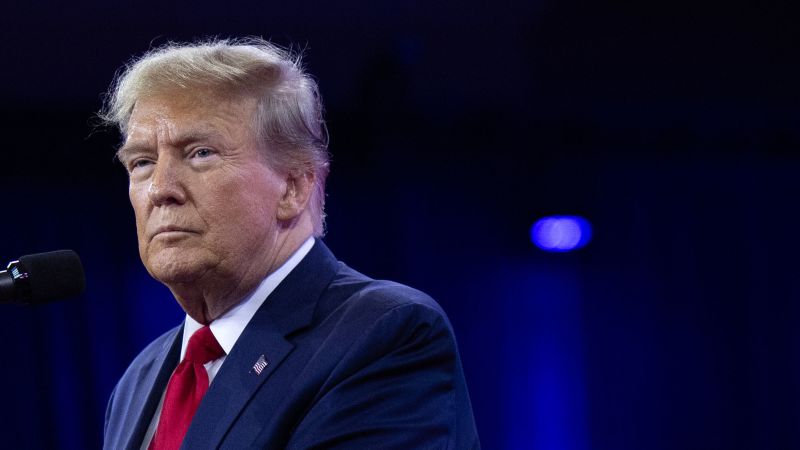
In a twist worthy of political theater, former President Donald Trump has delivered a scathing yet witty rebuttal following Russian President Vladimir Putin’s playful endorsement of Kamala Harris. The exchange, which began as a lighthearted quip, has escalated into a full-blown verbal skirmish, highlighting the colorful drama that continues to define global politics.
Putin, known for his sharp tongue and provocative statements, jested earlier this week that Harris would be a preferable choice over Trump in the 2024 presidential race. “In a hypothetical world, one could imagine a scenario where Kamala Harris might be a less challenging adversary than Donald Trump,” Putin said with a smirk during a press conference in Moscow. The comment, though framed as a joke, was immediately seized upon by media outlets and political commentators alike.
Trump, never one to shy away from a challenge or a chance to make headlines, responded with characteristic flair. In a statement released on his social media platform, Trump dismissed Putin’s remarks as “a desperate attempt for attention from someone who’s always been in the shadow of real leadership.” He added, “If Putin thinks Kamala Harris is the better option, it’s probably because he knows she’s not a threat. I guess even he recognizes that I’m the one to watch.”
The former president’s retort continued with a series of jabs and taunts, underscoring his penchant for theatricality. “It’s almost flattering to know that Putin thinks so little of Kamala Harris,” Trump quipped. “But it’s a reminder that the real action is always at the top, and that’s where I’ll be.”
Political analysts have noted that while the exchange may seem like a sideshow, it reflects deeper geopolitical undercurrents. Putin’s comment could be seen as a strategic move to destabilize U.S. political discourse, while Trump’s response underscores his unyielding focus on maintaining his status as the central figure in American politics.
As the political world watches this developing saga, one thing is clear: the rivalry between Trump and his international counterparts remains as vibrant and unpredictable as ever. Whether this exchange will have lasting implications on the 2024 presidential race or simply add another chapter to the ongoing saga of global politics is yet to be seen. For now, the spectacle continues to entertain and intrigue, proving that in the world of politics, drama is always just a headline away.
The August jobs report has delivered a surprising twist to the U.S. economic narrative, as the economy added a lower-than-expected 142,000 jobs. This figure, falling short of analysts’ projections, underscores a slower pace of job creation than anticipated. Despite the subdued job growth, the unemployment rate saw a notable decrease, falling to 4.2%, reflecting a tightening labor market.
The job market’s performance in August paints a complex picture. On one hand, the slower job growth suggests that the labor market is facing headwinds, potentially from ongoing economic uncertainties or industry-specific slowdowns. On the other hand, the decline in the unemployment rate indicates that fewer people are actively seeking jobs, possibly due to demographic shifts or changes in labor force participation.
Economists are weighing these contrasting signals carefully. The modest job gains might raise concerns about the sustainability of economic recovery, particularly in sectors that have been slow to rebound. Conversely, the drop in unemployment could suggest that while job creation is lagging, the existing workforce is experiencing greater stability.
Market reactions to the report have been cautious, with investors and policymakers awaiting further data to clarify the trends. Analysts are keenly observing whether this slowdown in job growth is a temporary blip or indicative of a broader trend. The interplay between job creation and unemployment will be crucial in shaping future economic policies and market expectations.
As the U.S. economy continues to navigate a complex landscape, the August jobs report highlights the ongoing challenges and uncertainties that both businesses and workers face.





 Oracle Exams