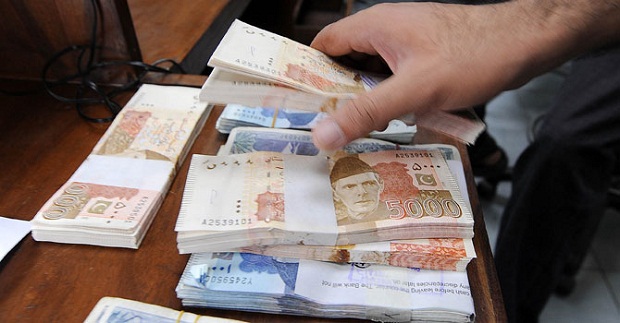
In a noteworthy development for Pakistan’s financial landscape, the State Bank of Pakistan (SBP) has reported a significant increase in its foreign exchange reserves. As of the latest figures, the reserves have risen by $112 million, reaching a total of $9.4 billion. This uptick, observed over recent weeks, marks a promising shift amid ongoing economic challenges.
The increase in reserves is attributed to a combination of factors including inflows from international financial institutions, remittances from overseas Pakistanis, and strategic adjustments in the management of the nation’s foreign assets. Analysts suggest that this rise not only enhances the country’s ability to stabilize its currency but also provides a buffer against external economic shocks.
The SBP’s reserve augmentation comes at a critical juncture, with Pakistan navigating complex economic terrain marked by fiscal deficits and inflationary pressures. The boost in reserves is expected to improve the nation’s creditworthiness and investor confidence, potentially leading to a more stable economic environment.
Economists view this development as a positive sign, indicating that the efforts to bolster foreign reserves are yielding results. However, they also caution that sustained growth in reserves will require continued prudent financial management and strategic economic policies.
Overall, the rise in SBP’s forex reserves represents a cautious but optimistic step forward for Pakistan, offering a glimmer of hope in the country’s ongoing economic recovery efforts.
Wall Street experienced a notable rally today as U.S. stocks surged following the release of July’s inflation data. The Nasdaq Composite led the charge with a 1% increase, reflecting renewed investor optimism amid signs that inflation pressures may be easing.
The Consumer Price Index (CPI) report for July revealed a slower-than-expected rise in consumer prices, suggesting that inflation may be moderating. This development is seen as a positive signal that the Federal Reserve’s recent interest rate hikes could be having the desired effect in cooling inflation.
Investors greeted the news with enthusiasm, driving up technology stocks that have been sensitive to changes in borrowing costs. The Nasdaq, which is heavily weighted toward tech and growth stocks, saw a significant uptick as traders responded to the CPI data.
“Today’s CPI report is a welcome piece of news,” said Michael Thompson, senior economist at Urban Insights. “It indicates that inflation is potentially stabilizing, which could lead the Fed to adopt a more cautious approach in its future policy decisions. This optimism is reflected in the markets.”
The broader market also saw gains, with the S&P 500 and Dow Jones Industrial Average both climbing as traders recalibrated their expectations. The S&P 500 rose by 0.7%, while the Dow gained 0.5% as the day progressed.
Despite the positive momentum, market experts urge caution. “While today’s numbers are encouraging, one month of data is not enough to declare victory over inflation,” noted Lisa Green, a market strategist at Capital Advisors. “We need to see consistent trends before drawing any definitive conclusions about the economic outlook.”
As Wall Street digests the latest inflation figures, investors are closely monitoring upcoming economic reports and Federal Reserve statements for further clues on the direction of monetary policy. For now, the markets are celebrating a positive development in the inflation narrative, with the hope that it could signal more stability ahead.
Apple has officially set the stage for its much-anticipated 2024 event, scheduled for September 10th. Dubbed “Apple’s October Surprise,” this year’s keynote promises to deliver a fresh wave of groundbreaking technology that could redefine the landscape of consumer electronics. Fans and tech enthusiasts alike are abuzz with speculation about what’s next on Apple’s innovation horizon, with the iPhone 16, a suite of new Apple Watches, and possibly more surprises set to make their debut.
A New Era of iPhones: The iPhone 16 Takes Center Stage
The iPhone 16 is expected to be the star of the show, with rumors suggesting a complete overhaul in both design and functionality. Early leaks hint at a sleeker, lighter design, with advancements in display technology that could push the boundaries of what’s possible on a smartphone screen. Expect a more refined ProMotion display, potentially with higher refresh rates and improved brightness. The introduction of Apple’s next-generation A18 chip could bring enhanced performance and efficiency, setting new benchmarks for mobile processing power.
In addition, Apple might focus on refining its camera technology, incorporating advanced computational photography features and possibly introducing new sensors that could elevate mobile photography to unprecedented levels. With AI and machine learning playing increasingly important roles in smartphone technology, the iPhone 16 could leverage these advancements to deliver smarter, more intuitive user experiences.
Wrist Revolution: New Apple Watches to Transform Wearable Tech
The Apple Watch lineup is also poised for a significant update. Leaks suggest that Apple will unveil the Apple Watch Series 10, featuring a more streamlined design and enhanced health monitoring capabilities. Rumors point to a new sensor suite that could offer more precise tracking of various health metrics, including blood glucose levels, which would be a major leap forward in wearable health technology.
Additionally, the introduction of a more customizable and durable casing could cater to a wider range of user preferences and lifestyles. Apple may also introduce new bands and watch faces, offering users even more ways to personalize their experience.
Beyond the Basics: What Else Could Apple Have in Store?
While the iPhone 16 and new Apple Watches are the headliners, Apple’s September event might also include other technological advancements. Some industry insiders speculate that Apple could reveal updates to its AirPods lineup, possibly introducing new models with enhanced noise-cancellation and spatial audio features. Additionally, updates to Apple’s HomeKit ecosystem could be on the table, aiming to further integrate smart home technology with its existing products.
A Tech Event to Watch
As Apple prepares to showcase its latest innovations, the tech world will be watching closely. With the event set to kick off at 10 a.m. PT, Apple enthusiasts around the globe will be tuning in to see how the company’s new products stack up against the competition and what new technologies will shape the future of tech.
Stay tuned for detailed coverage and analysis as we dive into the latest from Apple’s exciting announcement, and prepare for what could be one of the most memorable tech events of the year.
In a landmark achievement that underscores the evolving landscape of corporate power, Warren Buffett’s Berkshire Hathaway has reached a staggering $1 trillion in market value. This milestone positions the company as the first U.S. firm outside the technology sector to hit such a monumental figure, marking a significant shift in the economic power dynamics traditionally dominated by tech giants.
Berkshire Hathaway’s ascent to a trillion-dollar valuation is a testament to its diverse portfolio and Buffett’s legendary investment acumen. Unlike the Silicon Valley behemoths that have largely defined the trillion-dollar club, Berkshire’s success is rooted in a broad array of industries—from insurance and utilities to consumer goods and financial services.
The company’s diversified holdings have not only shielded it from the volatility that sometimes impacts tech stocks but have also provided a steady stream of revenue and growth opportunities. This stability and breadth of investment have attracted a wide range of investors, propelling Berkshire Hathaway to this historic valuation.
In a statement, Buffett expressed his satisfaction with the milestone but emphasized that the achievement reflects the strength of Berkshire’s underlying businesses rather than any single investment. “Reaching this $1 trillion mark is a reflection of our collective efforts and the solid performance of the companies we own,” Buffett said. “It’s a testament to the enduring value of a diversified approach.”
Berkshire Hathaway’s remarkable journey to this point includes its strategic acquisitions and long-term investments that have consistently delivered robust returns. The company’s shares have surged in recent years, driven by strong performance across its various sectors and a resilient business model that continues to attract investors.
As the first non-tech company to reach this height, Berkshire Hathaway’s success may inspire other traditional industries to reevaluate their strategies and growth trajectories. While technology companies have largely been at the forefront of market value breakthroughs, Berkshire Hathaway’s achievement highlights the potential for diverse and well-managed enterprises to reach similar financial pinnacles.
This unprecedented milestone sets a new benchmark for corporate valuation and will undoubtedly spark conversations about the future of market leadership. As Buffett and his team celebrate this historic moment, all eyes will be on how Berkshire Hathaway continues to navigate the complex economic landscape and sustain its remarkable growth trajectory.
With this achievement, Berkshire Hathaway not only solidifies its place in the annals of financial history but also redefines the parameters of corporate success in an increasingly diverse economic environment.
In a dramatic turn of events, U.S. crude oil prices have slipped below the $77 mark, following a brief surge sparked by disruptions in Libya’s oil production. The drop in prices marks a notable shift from the recent volatility that has characterized the global energy market.
On Monday, West Texas Intermediate (WTI) crude, the benchmark for U.S. oil prices, fell to approximately $76.50 per barrel. This decline comes after a significant rally that saw prices spike above $78 per barrel, driven largely by concerns over Libya’s oil output.
Libya, a key oil producer in North Africa, has faced severe production halts due to ongoing political instability and infrastructure challenges. The disruptions had initially fueled a surge in oil prices as investors and analysts anticipated a tightening of global supply. However, as the situation in Libya evolves and production gradually resumes, the initial market excitement has begun to wane.
Experts attribute the recent price dip to a combination of factors. Firstly, Libya’s oil production, while still under strain, is showing signs of recovery, alleviating some of the immediate supply concerns. Additionally, broader market dynamics, including the strengthening of the U.S. dollar and mixed signals from global economic indicators, have contributed to the easing of oil prices.
“While the Libyan production halt created a short-term spike in oil prices, the market is now recalibrating as production levels stabilize and investors adjust their expectations,” said Emily Harrison, an energy market analyst at Clarity Financial. “The current price movement reflects a more balanced view of the supply and demand equation.”
Despite the recent retreat, the global oil market remains sensitive to geopolitical developments and production fluctuations. Analysts caution that while prices have softened, ongoing uncertainties in Libya and other key oil-producing regions could still drive future volatility.
In the broader context, U.S. oil prices are also influenced by domestic factors, including inventory levels and economic data. As the market digests the latest developments, stakeholders are closely monitoring both international and domestic indicators to gauge the potential direction of crude oil prices.
For now, the dip below $77 per barrel signifies a moment of recalibration in a market that has experienced substantial fluctuations. As global dynamics continue to shift, the energy sector will remain vigilant, navigating the complex interplay of geopolitical tensions, economic factors, and market sentiment.
In a significant move aimed at safeguarding the integrity of the upcoming U.S. presidential election, Meta Platforms Inc. has taken steps to block several Iranian-affiliated WhatsApp groups. The decision comes amid growing concerns about potential foreign interference in the election process.
The tech giant, which oversees both Facebook and WhatsApp, has recently intensified its efforts to curb misinformation and unauthorized influence campaigns. The targeted WhatsApp groups, which were found to have links to Iranian operatives, were reportedly engaged in disseminating misleading information and attempting to sway public opinion through coordinated campaigns.
Meta’s decision is part of a broader strategy to combat election meddling and ensure that the digital platforms under its control remain secure and free from foreign interference. The company has been working closely with cybersecurity experts and governmental agencies to detect and neutralize threats.
“We are committed to maintaining the integrity of democratic processes and ensuring that our platforms are not used to undermine them,” said a Meta spokesperson. “Our teams are constantly monitoring and taking action against any form of manipulation or misinformation.”
The move follows increased scrutiny of social media platforms and their roles in elections. In recent years, both domestic and international actors have exploited these platforms to influence voter behavior and spread false information. Meta, along with other tech companies, has been under pressure to address these issues more aggressively.
The blocked WhatsApp groups were reportedly involved in sharing content that was designed to exacerbate political divisions and spread false narratives. Meta’s internal investigations revealed that these groups were part of a broader network aimed at manipulating public sentiment and potentially influencing election outcomes.
Experts have highlighted the importance of these preventative measures, noting that even subtle forms of interference can have significant impacts on election integrity. “It’s crucial that platforms like WhatsApp act swiftly to prevent any kind of interference,” said Dr. Emily Hart, a cybersecurity analyst. “These actions by Meta are a step in the right direction towards protecting democratic processes.”
The Iranian government has yet to comment on the situation. However, such incidents underscore the ongoing challenges faced by social media companies in policing their platforms and preventing abuse by state and non-state actors.
As the U.S. presidential election approaches, Meta’s actions are expected to be closely watched by both policymakers and the public. The company has pledged to continue its vigilance and adapt its strategies as necessary to address emerging threats and protect the electoral process.
In the meantime, Meta’s move has been welcomed by many as a proactive measure to safeguard democracy and maintain the credibility of digital communication channels in an era of increasing information warfare.
As global counterterrorism efforts intensify, supporters of the Islamic State (IS) are increasingly turning to artificial intelligence (AI) to bolster their online activities. This shift marks a concerning evolution in how extremist groups and their affiliates use technology to spread propaganda, recruit new members, and evade detection by law enforcement and social media platforms.
The Role of AI in Extremist Strategies
AI’s potential to automate and enhance digital operations has not gone unnoticed by IS supporters. These extremists are using AI-driven tools to generate content that mimics human language, making their propaganda more persuasive and difficult to identify as malicious. From creating realistic text to developing sophisticated video content, AI is helping IS sympathizers produce materials that are more appealing to a global audience.
Automated Content Creation and Dissemination
One of the primary ways IS supporters are using AI is through automated content creation. By leveraging AI-powered language models, they can generate large volumes of text that can be used in social media posts, blogs, and other online forums. This content often includes extremist rhetoric, calls to action, and ideological justifications for violence. The speed and scale at which this content can be produced and disseminated make it a potent tool for spreading IS propaganda.
Moreover, AI tools are being used to create deepfake videos and images that can deceive viewers into believing they are genuine. These fabricated visuals can be used to glorify the actions of IS fighters, spread disinformation, or incite violence. The increasing sophistication of deepfakes makes them particularly dangerous, as they can be difficult for both users and automated systems to detect.
AI is also being employed to help IS supporters evade detection by social media platforms and law enforcement agencies. By using AI to analyze and understand platform algorithms, extremists can adapt their content to avoid triggering automated moderation systems. This might involve subtle changes in language, tone, or imagery that allow extremist messages to slip through the cracks of content filters.
In addition, AI-powered bots are being deployed to amplify extremist content by liking, sharing, and commenting on posts. These bots can create the illusion of widespread support, making extremist content appear more popular and credible than it actually is. This not only helps IS supporters spread their message but also makes it more challenging for authorities to identify and shut down their networks.
Global Implications and Countermeasures
The use of AI by IS supporters poses significant challenges for global counterterrorism efforts. Traditional methods of monitoring and countering online extremism are being outpaced by the rapid advancements in AI technology. As a result, there is a growing need for governments, tech companies, and researchers to develop more sophisticated tools to detect and combat AI-driven extremist activities.
One potential countermeasure is the development of AI systems specifically designed to detect extremist content generated by other AI tools. These systems could analyze patterns in language, imagery, and behavior that are indicative of extremist activity, helping to identify and remove harmful content before it can spread. Additionally, greater collaboration between governments and tech companies is essential to ensure that AI is used responsibly and that platforms are equipped to handle the challenges posed by AI-driven extremism.
Conclusion
The adoption of AI by IS supporters represents a new frontier in the fight against online extremism. As these extremists become more adept at using advanced technologies to further their agenda, the global community must respond with equal innovation and determination. Only by staying ahead of these technological developments can we hope to effectively counter the threat posed by AI-enhanced extremist propaganda.
In the ever-evolving world of home automation, the DreameBot L10s Pro Ultra has emerged as a formidable contender in the robot vacuum cleaner market. With an array of advanced features and cutting-edge technology, it promises to redefine your cleaning experience. But does it live up to the hype? Let’s dive into the details and find out if the DreameBot L10s Pro Ultra is truly the best robot vacuum cleaner money can buy.
Design and Build Quality
The first thing you’ll notice about the DreameBot L10s Pro Ultra is its sleek and modern design. Its minimalist aesthetics, combined with a robust build quality, make it a stylish addition to any home. The device is compact, allowing it to navigate tight spaces and corners effortlessly. The durable construction ensures that it can withstand daily wear and tear, making it a reliable cleaning companion for years to come.
Performance and Cleaning Efficiency
When it comes to performance, the DreameBot L10s Pro Ultra is a powerhouse. Equipped with a powerful motor and advanced suction technology, it can tackle everything from fine dust to larger debris with ease. The vacuum cleaner’s intelligent mapping system allows it to navigate your home with precision, ensuring that no spot is left uncleaned.
The L10s Pro Ultra’s heat-cleaning feature sets it apart from many of its competitors. This unique function allows the vacuum to sanitize floors by applying heat, effectively eliminating bacteria and germs. This is particularly beneficial for households with pets or small children, where cleanliness is a top priority.
Smart Features and Usability
The DreameBot L10s Pro Ultra is more than just a vacuum cleaner; it’s a smart home device. It is compatible with various smart home ecosystems, including Alexa and Google Assistant, allowing you to control it with simple voice commands. The companion app provides an intuitive interface to schedule cleaning sessions, monitor progress, and customize cleaning modes according to your needs.
One of the standout features of this model is its self-emptying dustbin. Once the cleaning session is complete, the vacuum automatically returns to its docking station, where the dustbin is emptied into a larger container. This hands-free operation minimizes the need for frequent maintenance, making it a convenient option for busy households.
Battery Life and Charging
Battery life is often a critical factor when choosing a robot vacuum cleaner, and the DreameBot L10s Pro Ultra doesn’t disappoint. It boasts an impressive battery life that allows it to clean large areas on a single charge. The device automatically returns to its charging dock when the battery is low and resumes cleaning once it’s sufficiently charged, ensuring that your home is always clean.
The DreameBot L10s Pro Ultra is positioned as a premium product, and its price reflects that. However, considering the range of features and the level of performance it offers, it provides excellent value for money. The convenience, efficiency, and smart capabilities justify the investment for those who prioritize a clean and healthy home environment.
Final Verdict: Is It the Best?
So, is the DreameBot L10s Pro Ultra the best robot vacuum cleaner money can buy? If you’re looking for a high-performance, feature-rich device that offers a seamless cleaning experience, this model is hard to beat. Its advanced technology, combined with smart home integration and a self-emptying dustbin, makes it a top contender in the market. While it comes with a premium price tag, the DreameBot L10s Pro Ultra delivers on its promise, making it a worthy investment for those seeking the best in home automation.
In a bold move that underscores escalating political tensions in Pakistan, the Pakistan Tehreek-e-Insaf (PTI) party has announced its intention to hold a major rally in Islamabad, despite the recent withdrawal of the No Objection Certificate (NOC) by authorities and the imposition of Section 144 in Punjab.
The PTI’s defiance comes in response to the government’s decision to retract the previously granted NOC, which was a crucial permit for the rally. The party’s leadership, led by former Prime Minister Imran Khan, has condemned the withdrawal as an attempt to stifle their democratic right to protest and assemble.
Adding to the complexity, Section 144 has been enforced in Punjab, which prohibits large gatherings and rallies in the province. This measure is seen as a direct attempt to curb PTI’s influence and manage potential unrest.
Despite these challenges, PTI has vowed to go ahead with their planned rally, arguing that it is a fundamental right of citizens to express their views and mobilize peacefully. The party has criticized the government’s actions as a means to suppress opposition voices and undermine democratic processes.
The rally is expected to draw significant crowds, with PTI urging supporters from across the country to converge in Islamabad. The situation is likely to heighten political tensions and draw national attention to the party’s ongoing disputes with the current administration.
Authorities are bracing for potential disruptions and increased security measures around the rally site to manage any unrest. The outcome of this high-stakes demonstration could have far-reaching implications for Pakistan’s political landscape.
The FTSE 100, London’s leading stock index, faced a challenging session today as market sentiment wavered, leading to a broad decline in stock prices. Investors navigated a landscape of economic uncertainty, marked by concerns over inflation, interest rates, and global economic growth. Amidst this backdrop, the British pound fought an uphill battle to break through the psychologically significant $1.30 level.
Stock Market Woes
The FTSE 100’s decline was driven by a mix of factors, with the most prominent being worries over persistent inflation and the impact of higher interest rates on economic activity. Energy stocks, which have been volatile due to fluctuating oil prices, were among the hardest hit, while banking and financial services sectors also saw significant losses. The day’s trading session highlighted the ongoing volatility in global markets, with investors weighing risks in the face of economic headwinds.
The Pound’s Struggle
The British pound’s performance has been a focal point for market watchers, especially as it attempts to climb above the $1.30 threshold. This level is seen as a key indicator of market confidence in the UK’s economic prospects. However, the pound has been under pressure due to a combination of factors, including concerns over the Bank of England’s future rate hikes and mixed signals from economic data.
Despite efforts to rally, the pound has repeatedly fallen short of the $1.30 mark, reflecting underlying market skepticism. Analysts note that the currency’s struggle to break this barrier could be a sign of deeper issues in the UK economy, such as sluggish growth and persistent inflationary pressures.
Economic Indicators in Focus
Recent economic data has painted a mixed picture of the UK economy. While unemployment remains low, inflation continues to outpace wage growth, squeezing consumer spending power. This, in turn, has raised concerns about the sustainability of the UK’s economic recovery, especially as higher interest rates begin to bite.
The Bank of England faces a delicate balancing act as it aims to curb inflation without stifling economic growth. The central bank’s next moves will be closely watched by investors, particularly in light of recent comments from policymakers suggesting that further rate hikes may be on the horizon.
Global Factors at Play
The performance of the FTSE 100 and the pound is not just a reflection of domestic issues but is also influenced by global economic developments. Uncertainty surrounding China’s economic outlook, ongoing geopolitical tensions, and the trajectory of the US Federal Reserve’s monetary policy have all contributed to market volatility.
In particular, China’s recent economic slowdown has weighed heavily on global markets, as the country is a major trading partner for the UK. Any signs of weakness in the Chinese economy can have ripple effects across the globe, affecting everything from commodity prices to investor sentiment.
Outlook and Predictions
Looking ahead, the FTSE 100’s performance is likely to remain volatile as investors grapple with ongoing economic uncertainty. The pound’s ability to break above $1.30 will depend largely on upcoming economic data and the Bank of England’s policy decisions.
Market analysts are split on the pound’s prospects, with some predicting a breakthrough if the UK economy shows signs of resilience, while others caution that further declines could be on the horizon if economic conditions worsen.
For now, investors will be closely monitoring both domestic and global developments, with the hope that clearer signals will emerge to guide their next moves. As the FTSE 100 navigates these choppy waters, the pound’s battle to break above $1.30 will remain a key indicator of market sentiment and the broader economic outlook.


 Oracle Exams